
Autumn watching
What to Spot This Month: Owls, Badgers, Hedgehogs and Deer
As the evenings draw in and the air takes on that crisp autumn chill, the British countryside comes alive with seasonal wildlife activity. From the haunting calls of tawny owls to the rustle of hedgehogs preparing for hibernation, autumn offers wildlife enthusiasts a rich variety of species to spot.
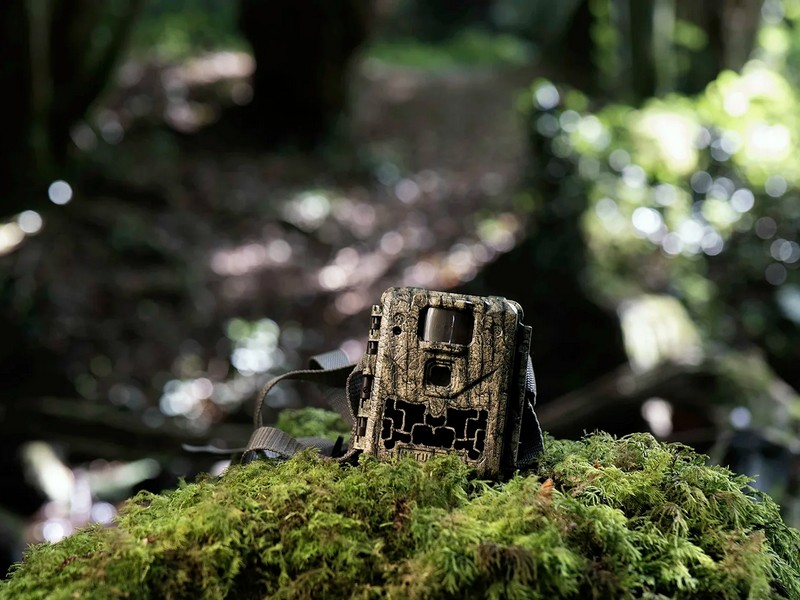
It is also a strong season for trail cameras and night monitoring. Longer nights, active feeding behaviour and quieter outdoor spaces can all help reveal what is moving through gardens, woodland edges, parks, fields and hedgerows.
Owls
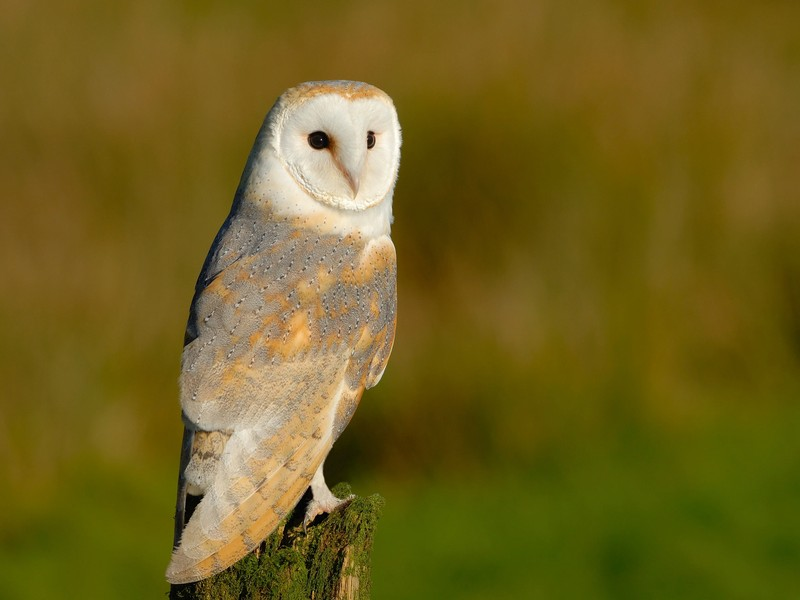
Autumn is a rewarding time for hearing and seeing owls, especially tawny owls and barn owls. They are most active at dusk and during the night, gliding silently as they hunt small mammals across woodland edges, fields, parks and larger gardens.
Even if you do not see them clearly, listening carefully can reveal their presence. Tawny owls are often heard before they are seen, while barn owls may appear as pale shapes moving low over rough grassland.
Listen for the classic tawny owl call in woodlands, parks and large gardens. Stay still, keep noise low and avoid using bright lights.
Badgers
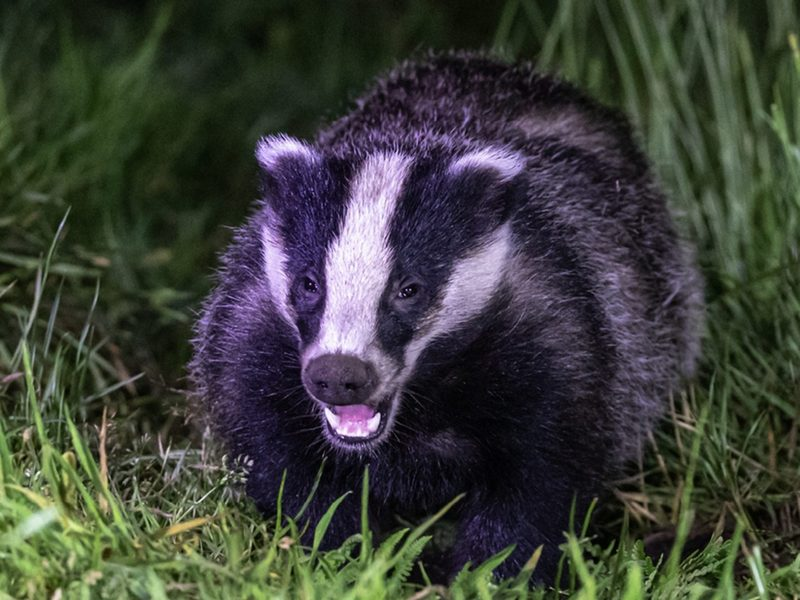
Badgers remain active in autumn, often foraging for worms, fruit, nuts and other seasonal food before colder weather arrives. Their movement can be regular and surprisingly predictable when a sett or feeding route is nearby.
Watch for signs of fresh digging, worn paths, disturbed soil and activity around sett entrances. A trail camera can be useful because badgers are most often active when people are not present.
Use low-impact observation and avoid blocking or disturbing sett entrances. Thermal imaging or a no-glow camera can help detect movement in low light without causing disturbance.
Hedgehogs
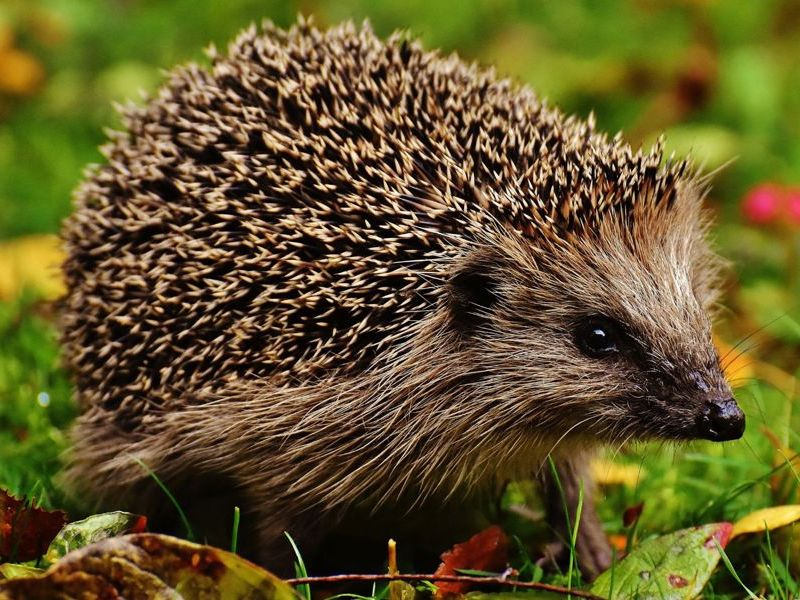
Hedgehogs are busy in autumn, feeding up before hibernation. For garden wildlife watchers, seeing one is always special, especially as hedgehog numbers have faced serious pressure in many areas.
They are most likely to appear at dusk or after dark, moving through gardens, parks, hedgerows and quiet edges where they can find food and shelter.
Look for hedgehogs at dusk in gardens, parks and hedgerows. Leave out fresh water, never milk, and keep garden gaps open where safe so they can move between spaces.
Deer
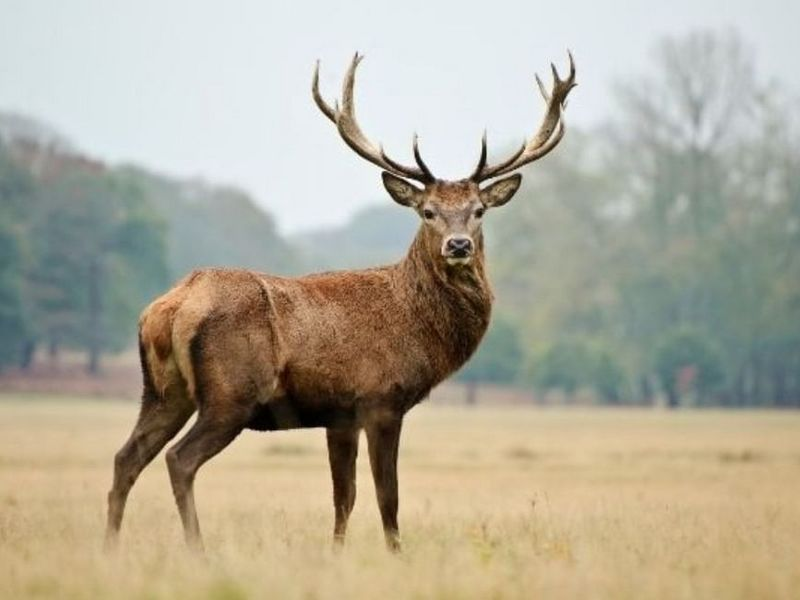
With the rut season in full swing for red, sika and fallow deer, autumn can be the most dramatic time to watch them. Dawn and dusk are especially atmospheric, with roaring stags, tense movement and strong seasonal behaviour.
Deer watching requires distance and care. The rut can make animals unpredictable, so the safest and most respectful approach is to observe from far away with suitable optics.
Keep your distance during the rut. Deer can be aggressive and should never be approached. Use optics or a carefully positioned remote camera to enjoy the action safely.
Final thoughts
Autumn is one of the richest wildlife watching seasons of the year.
Cooler evenings, longer nights and seasonal feeding patterns make autumn a powerful time for wildlife observation. Whether you are listening for owls, watching badger paths, helping hedgehogs in the garden or observing deer from a safe distance, the right equipment can help you never miss a moment in nature.
- Use no-glow cameras for sensitive night visitors where disturbance must be kept low.
- Check placement carefully before leaving a camera overnight.
- Respect wildlife behaviour and avoid getting too close, especially during the deer rut.
- Review patterns over time instead of relying on one night of footage.
Camera advice
Choose the right setup before the best autumn moments pass.
A trail camera can help reveal what is active in your garden, field or woodland edge while you are indoors. Thermal optics and long-range viewing equipment can also help with safe observation at dawn, dusk and after dark.
Dennis Nokes can help you choose a suitable camera or observation setup before you reserve a product through a manager.