
Home security or wildlife watching?
What to install in the garden for surveillance: a standard camera or a trail camera?
If you want to monitor your garden, driveway, shed, patio or back gate, the first question is usually simple: should you use a standard home security camera, or should you install a trail camera?
The honest answer is that both can be useful. A normal camera is often the right choice for home security and everyday property monitoring. A trail camera becomes more interesting when your goal moves from “what is happening near the house?” to “what wildlife is moving through this space when nobody is watching?”
When a standard home camera makes sense
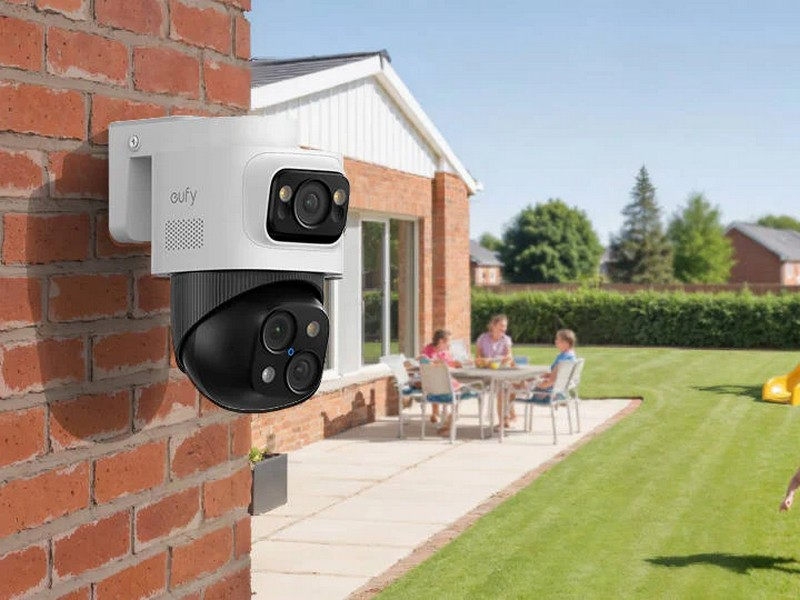
A standard outdoor camera, CCTV camera or smart security camera is a practical choice for regular home surveillance. It is designed to watch entrances, paths, doors, driveways, garages, sheds and other areas where security matters.
For many homes, this is exactly what is needed. You can receive movement alerts, check live footage, review clips and keep an eye on deliveries, gates, garden access points or unusual movement around the property.
Home security, entrance monitoring, driveway activity, deliveries, gates, sheds, patios and general property awareness.
When a trail camera is the better tool
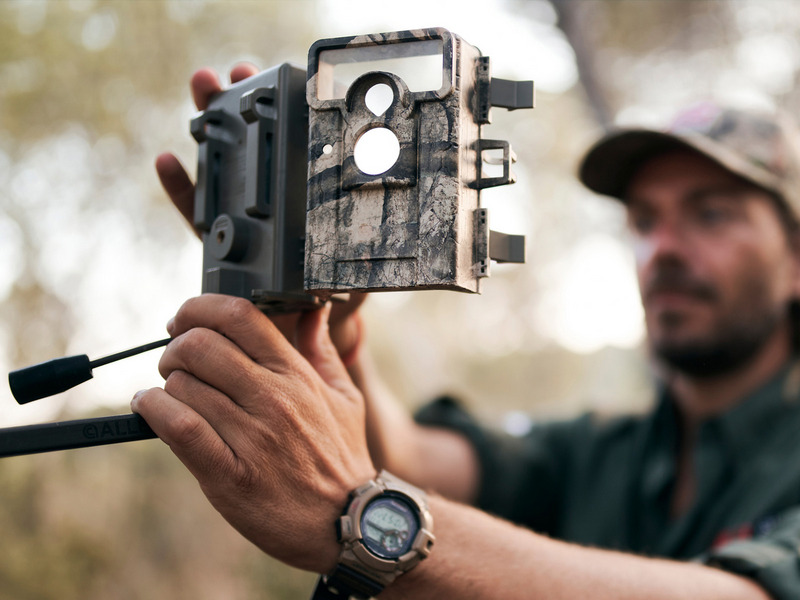
A trail camera, also called a wildlife camera or camera trap, is made for a different type of monitoring. It is designed to sit quietly outdoors, detect movement and capture animals without you needing to be present.
This makes it especially useful for gardens, woodland edges, hedgerows, farms, paddocks and quiet routes where foxes, badgers, hedgehogs, deer, birds or other wildlife may pass after dark.
If your interest is moving towards more professional wildlife watching, a trail camera is the natural next step. It allows you to record behaviour over time, compare activity patterns and capture moments that would be missed by standing outside with a phone or ordinary camera.
Wildlife observation, night movement, animal routes, quiet garden corners, field edges and natural behaviour when people are not nearby.
Can a normal camera capture wildlife too?
Yes. A standard garden camera can sometimes capture excellent wildlife moments. You may see foxes crossing a patio, birds visiting a feeding station, hedgehogs moving along a path or cats and squirrels passing through the garden.
For casual viewing, this may be enough. If the camera is already installed for security, it can give you bonus wildlife footage without buying anything extra.
The limitation is that standard home cameras are usually designed around people, doors, alerts and security zones. They may not be ideal for low-level animal movement, remote placement, long battery operation or discreet night wildlife recording.
Why trail cameras feel more professional
Trail cameras are built around wildlife behaviour. They can be mounted lower, hidden more easily, placed away from power sockets and left to monitor a route, feeding area or natural crossing point.
Many models are weather resistant, battery powered and designed for motion-triggered capture. Some use no-glow or low-glow infrared night vision, which helps capture animals after dark without using a bright visible light.
- Better for low-level animal movement near the ground.
- More flexible placement around hedges, trees, fences and field edges.
- Useful for recording behaviour over several nights or weeks.
- Less dependent on home Wi-Fi when using SD card or 4G models.
- Designed for outdoor wildlife monitoring rather than doorway security.
Think about privacy before installing any camera
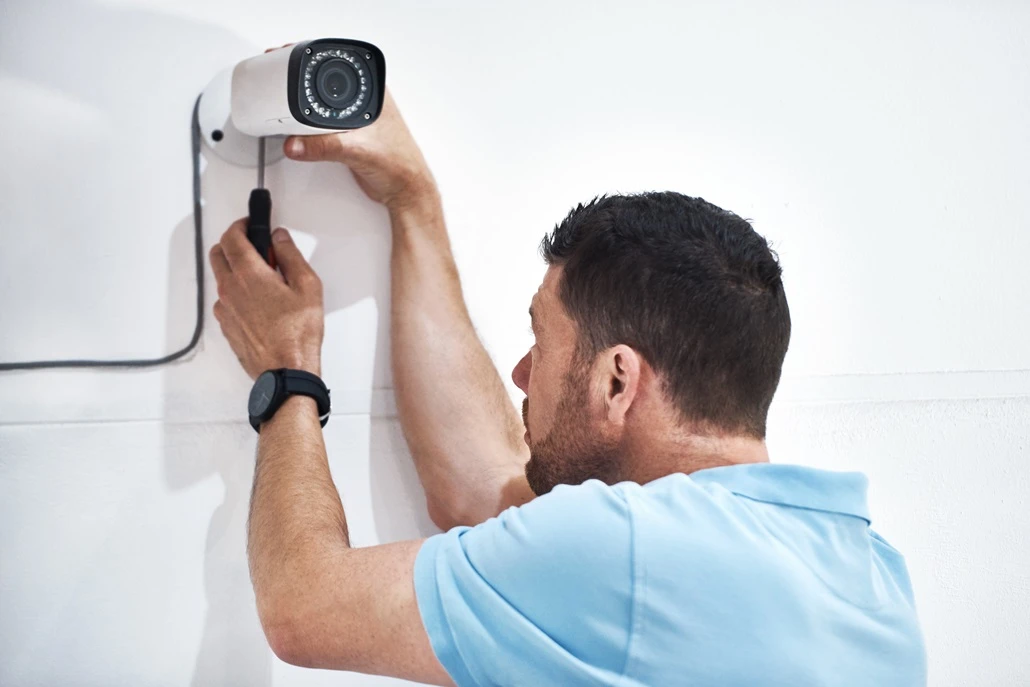
Whether you install a standard camera or a trail camera, placement matters. Try to keep the camera focused on your own garden, property, shed, gate or wildlife area rather than pointing it towards neighbouring gardens, windows, public paths or shared spaces.
For ordinary home security, avoid recording more than you need. For wildlife monitoring, aim the camera low and towards natural animal routes, not towards people.
Set the camera angle carefully, use privacy zones where available, avoid unnecessary audio recording and make sure the camera is installed for a clear, reasonable purpose.
So, which one should you choose?
If your main priority is security, start with a standard outdoor home camera. It will usually be better for live alerts, entrances, doors, driveways and everyday property monitoring.
If your main priority is wildlife, choose a trail camera. It will usually be better for animal behaviour, night movement, quiet locations, flexible mounting and captures that do not depend on you standing nearby.
Many people eventually use both: a standard camera for home security and a trail camera for the more interesting natural activity in the garden, along the hedge or near a quiet route.
Use a standard camera to protect the house. Use a trail camera to discover what lives, moves and returns when the house is quiet.
Final thoughts
Start with your goal, then choose the camera.
A standard garden camera can be a smart and practical security tool. It can also capture surprisingly good wildlife moments when animals pass through the frame.
But if you want to move beyond casual clips and begin monitoring wildlife more seriously, a trail camera is the better long-term option. It gives you more freedom of placement, better night monitoring options and a stronger chance of capturing natural behaviour without being present.
Dennis Nokes can help you choose a simple garden model, a more advanced 4G wildlife camera or a complete trail camera kit before you reserve a product.