
Featured article
The Best Wildlife Watching Spots in the UK and How to Capture Them on Camera
The UK is home to an incredible variety of wildlife — from soaring sea eagles in Scotland to playful otters in Cornwall. Whether you are an amateur nature enthusiast or a more experienced wildlife photographer, knowing where to go and how to capture what you see is key.
At Dennis Nokes, our mission is simple: to help you never miss a moment in nature. With the right camera setup, careful positioning and respectful observation, even a quiet day outdoors can become a record of remarkable animal behaviour.
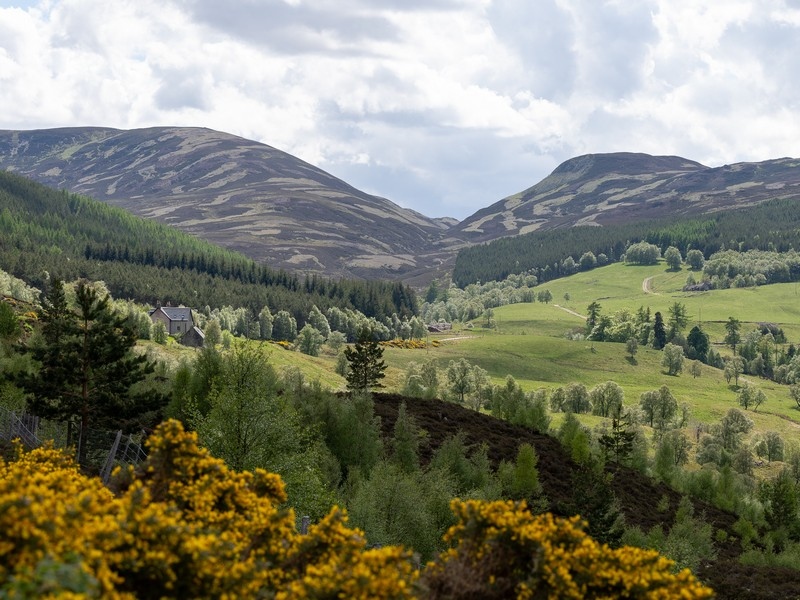
Cairngorms National Park, Scotland
Cairngorms National Park is one of the UK’s most impressive wild landscapes and a paradise for wildlife watchers. It is known for red squirrels, golden eagles, mountain hares, deer and the elusive pine marten.
The scale of the landscape makes patience important. Dawn and dusk are often the most rewarding times, especially around woodland edges, open moorland and quieter routes away from busy paths.
Use a high-resolution thermal monocular or a carefully placed trail camera to help spot animals in dense woodland and low light.
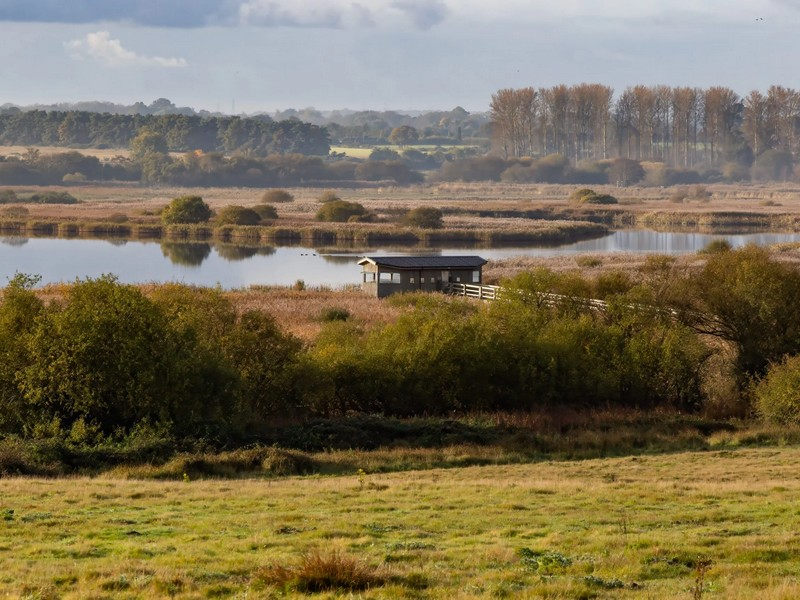
RSPB Minsmere, Suffolk
RSPB Minsmere is one of the richest birdlife reserves in the UK. It is well known for bitterns, marsh harriers, avocets, reedbed species and seasonal migrants.
The reserve is especially useful for photographers because hides and viewing areas allow careful observation without pushing too close to sensitive habitats.
A spotting scope with a digiscoping adapter lets you record detailed footage from a respectful distance without disturbing birds.
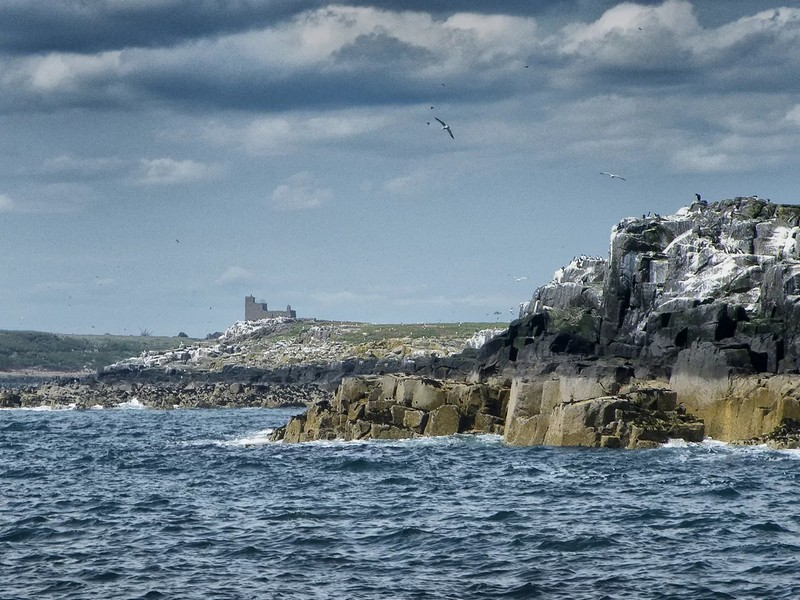
Farne Islands, Northumberland
The Farne Islands are famous for puffins, seals and dramatic sea bird colonies. For wildlife photographers, the islands offer colour, movement and atmosphere in one place.
Coastal light can change quickly, so it is worth preparing for wind, spray and shifting conditions. Keep equipment protected and avoid disturbing nesting or resting animals.
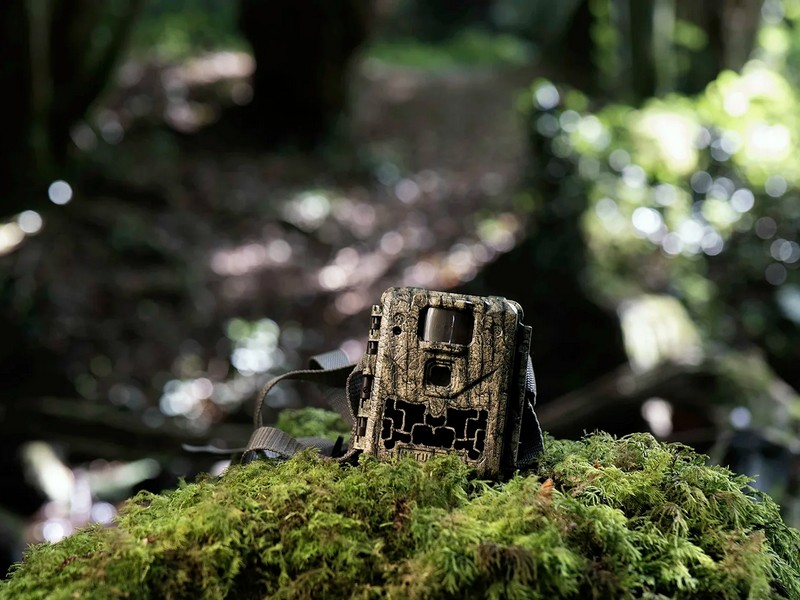
A water-resistant trail camera can help capture behaviour without constant human presence, especially around safe and permitted observation points.
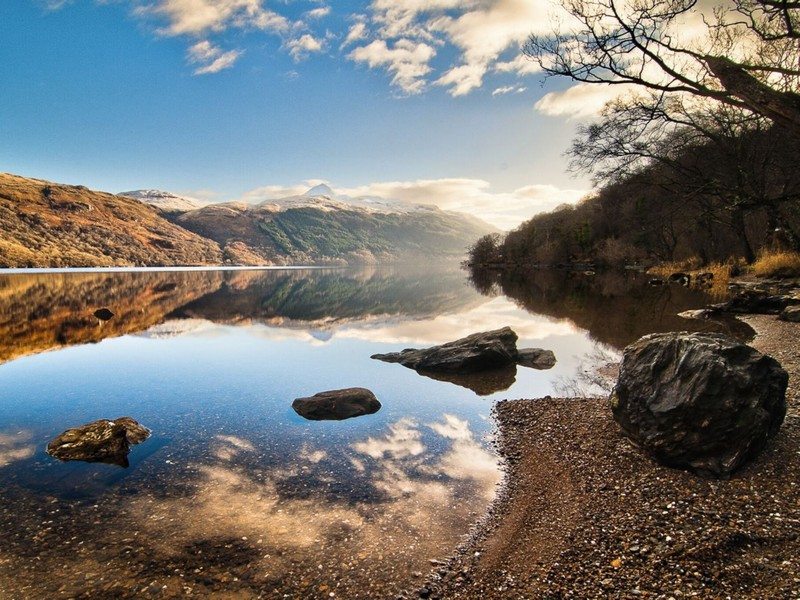
Loch Lomond & The Trossachs, Scotland
Loch Lomond and The Trossachs combine open water, woodland, hills and quiet edges where wildlife can move through the landscape. Otters, ospreys and red deer are among the species that draw visitors here.
This is a location where distance matters. Large landscapes reward observation tools that help you scan safely and quietly before deciding where to wait.
Thermal binoculars can help detect animals across large open areas, especially in lower light or when wildlife is partially hidden by vegetation.
Responsible watching
Wildlife Photography Best Practice
Good wildlife photography is not only about equipment. The best results often come from patience, fieldcraft and respect for the animals you are trying to observe.
- Be patient. The best shots often require hours of quiet observation.
- Respect habitats. Never disturb nesting, resting or feeding wildlife.
- Use camouflage carefully. Blend into the environment without damaging it.
- Watch the wind direction. Many animals will detect scent long before you see them.
- Keep distance. A longer lens, scope or remote camera is better than pushing too close.
Final thoughts
Plan the trip, respect the place and let the camera do the quiet work.
Whether you are planning a weekend trip or a longer expedition, the right camera technology can help you capture wildlife moments in impressive detail. A trail camera, thermal device or spotting setup will not replace fieldcraft, but it can help you observe more carefully and miss fewer moments.
Dennis Nokes focuses on practical camera equipment for people who want to observe wildlife responsibly — from simple garden cameras to more advanced field monitoring setups.